The Producer’s Corner: DIY Recording in Your Studio Space
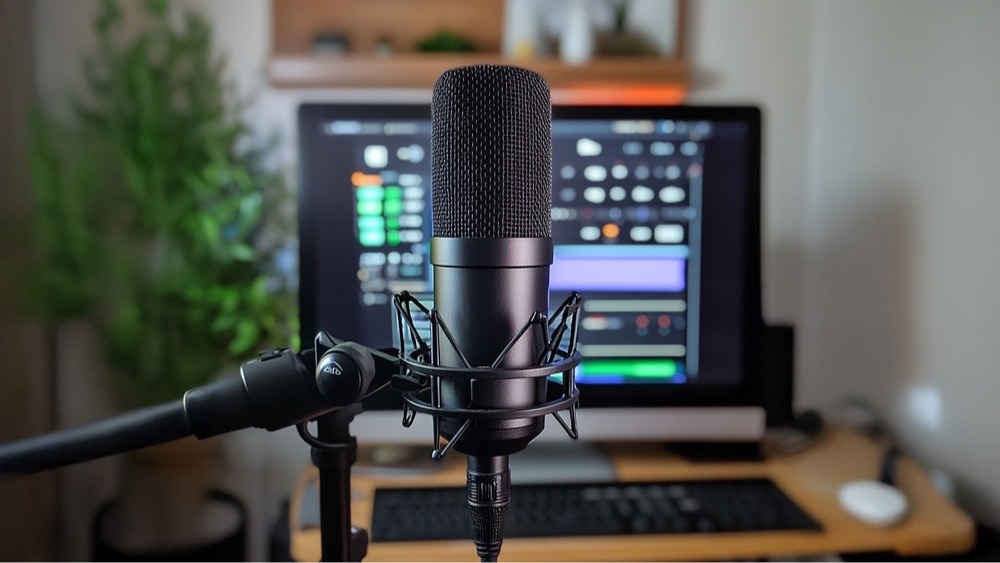
We’ve all been there: you’re mid-rehearsal and the band locks into a groove that feels like a hit. You pull out your phone to record a voice memo, but when you play it back, it sounds like a drum kit falling down a flight of stairs.
August is the perfect month to stop "memo-ing" and start "tracking." Because our rooms are already built with high-quality sound isolation, you’re 80% of the way to a professional recording environment. Here’s how to handle the remaining 20%.
1. Taming the "Room" (Acoustic Hacks)
Even in a soundproofed room, sound waves like to bounce off hard surfaces (drums, amps, and even the door).
-
The "Cloud" Hack: If your overhead drum mics sound too "roomy," try hanging a heavy moving blanket or two from the ceiling over the kit. This creates a DIY "acoustic cloud" that dries up the sound instantly.
-
The Bass Trap: Low-end frequencies love to gather in corners. If your recording sounds "boomy," move a soft couch, a stack of gear bags, or even some heavy coats into the corners of the room to act as makeshift bass traps.
2. The "3:1 Rule" for Mic Placement
If you're recording multiple instruments at once, "bleed" is your biggest enemy. To keep your tracks clean:
-
Distance is Key: If Mic A is 1 foot away from the guitar amp, keep Mic B (the drum overhead, for example) at least 3 feet away from that amp. This prevents phase cancellation—that weird "hollow" sound that ruins a mix.
-
The "Amp Tunnel": Want to record a loud amp while someone sings in the same room? Build a "tunnel" out of chairs and blankets leading out from the amp, and place the mic inside. It’ll muffle the bleed while keeping the tone punchy.
3. Lean Into 32-Bit Float Tech
In 2026, there is no excuse for "clipping" (that digital crunch when things get too loud).
-
The Gear: If you’re looking to invest in a portable recorder for the studio, look for devices like the Zoom H4essential or the Tascam DR-05XP. These feature "32-bit float" recording, which basically means it's impossible to distort the signal. You can record a whisper and a snare hit in the same take without touching the gain knob.
4. Capture the "Vibe" First
Remember, August is about creativity, not perfection. Use your time at Soundstructure to capture the energy of the band playing together. You can always overdub clean vocals later, but you can’t fake the "swing" of a drummer and bassist locked in 24/7 in a space they feel comfortable in.
August Resident Challenge: The One-Mic Demo
Next time you’re in, try placing a single condenser mic in the center of the room, exactly at ear level, and record a full song. It’s a great way to hear the balance of your band. If the guitars are too loud in the mic, they’re too loud for the audience!
The Soundstructure Experience:
Soundstructure Studios is more than just a warehouse full of soundproof studios — it's a community of artists, engineers, teachers, and music lovers united by a shared passion for music.
Have an idea for a blog or something you would like to cover? Email: jam_kc@soundstructure.com